

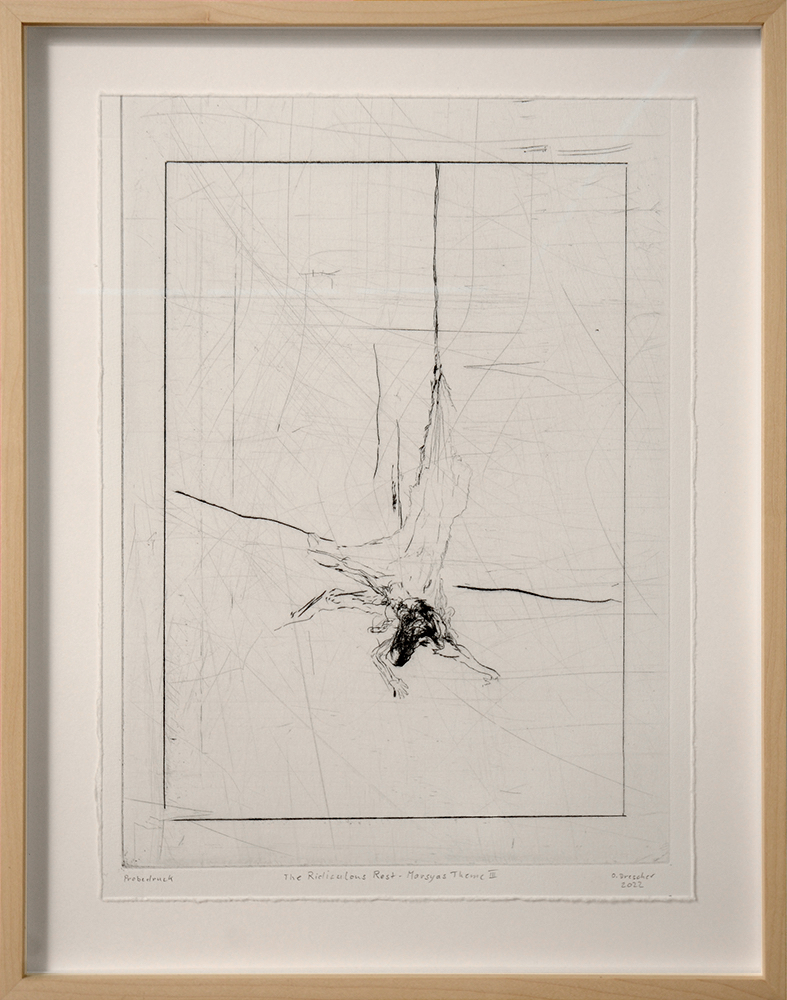
Karla Marchesi, Lucas Pertile: The Sweet Glow of Hallucinations : Verena Kerfin Gallery, Köthener Strasse 28, 10963 Berlin
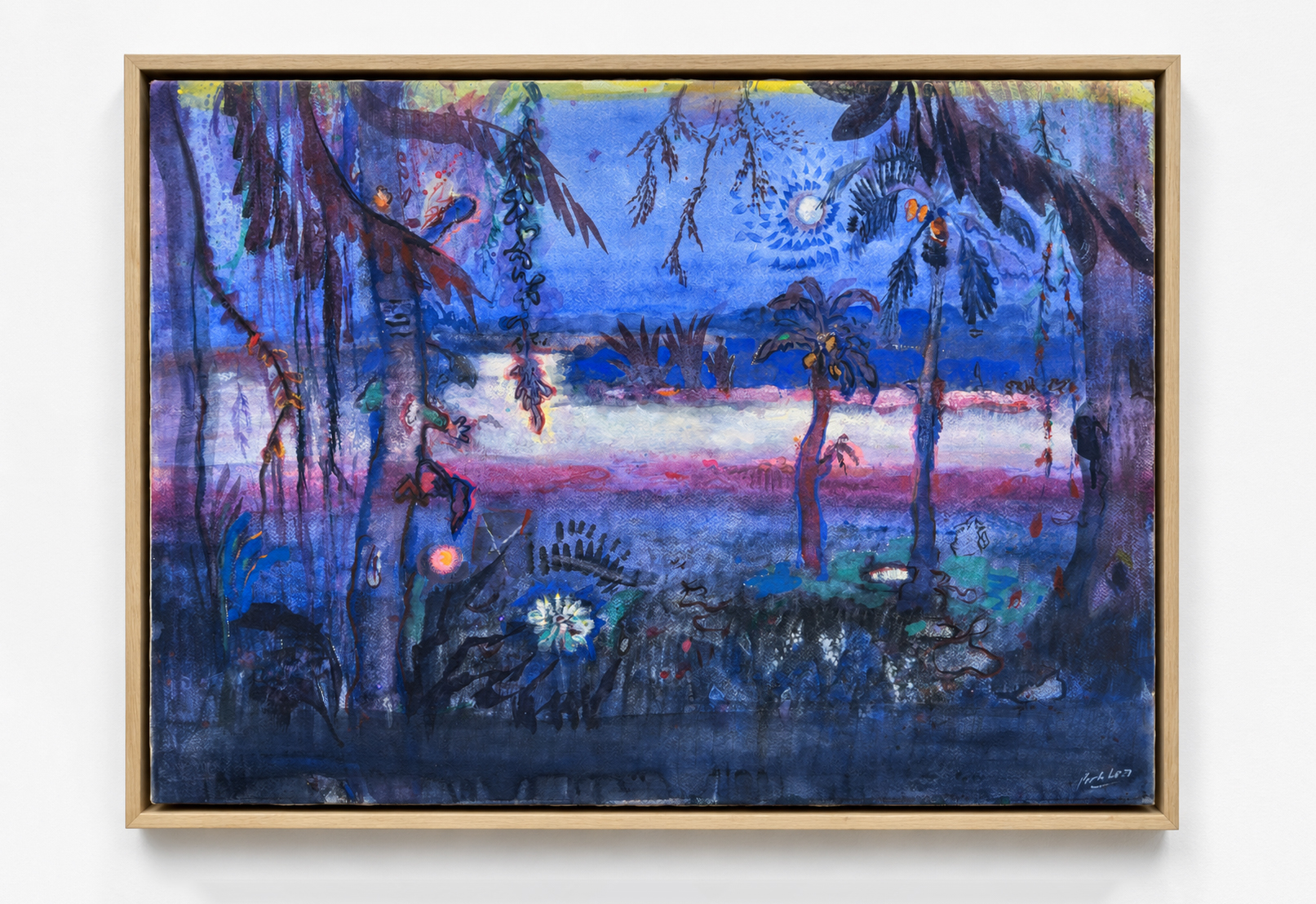
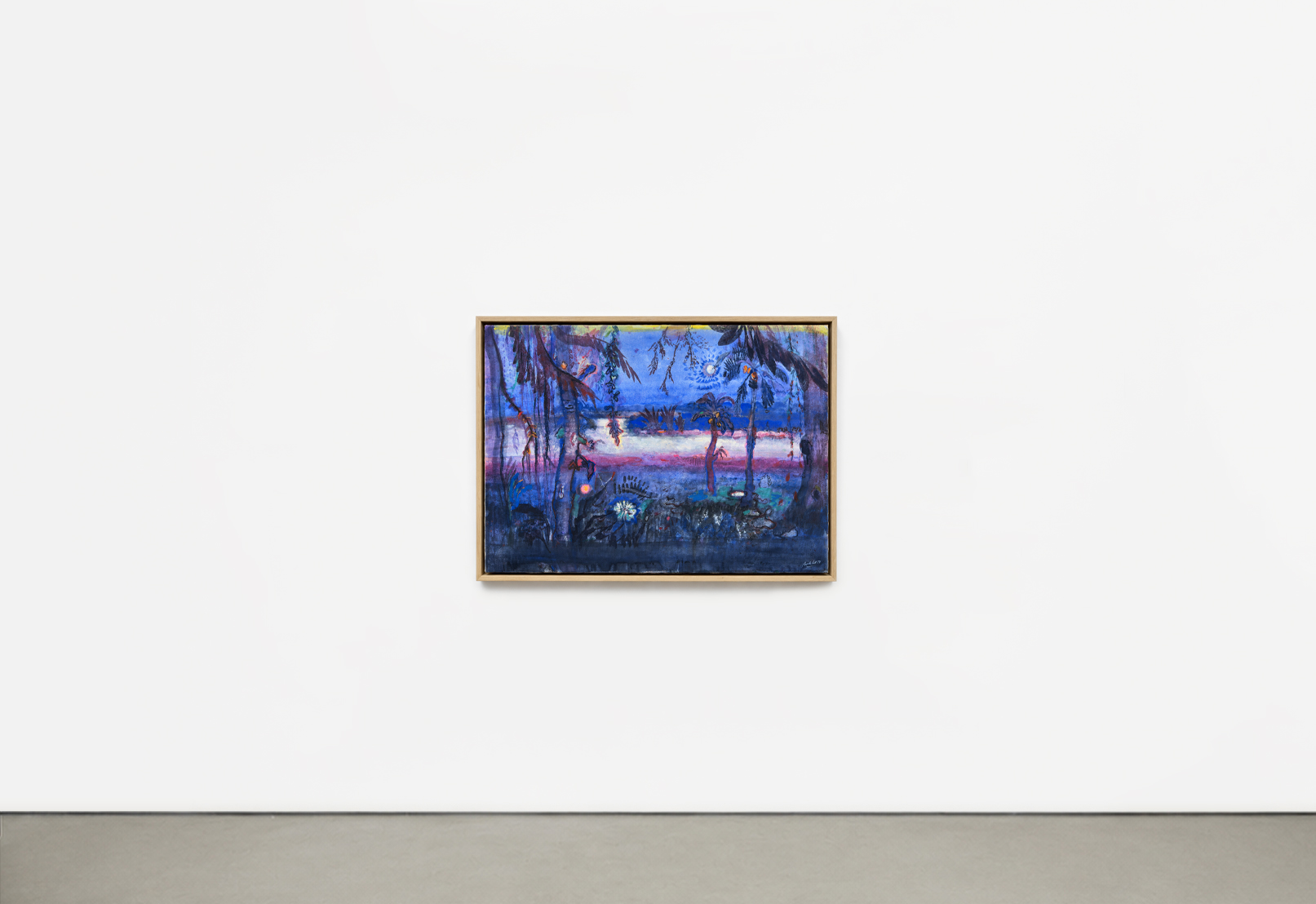
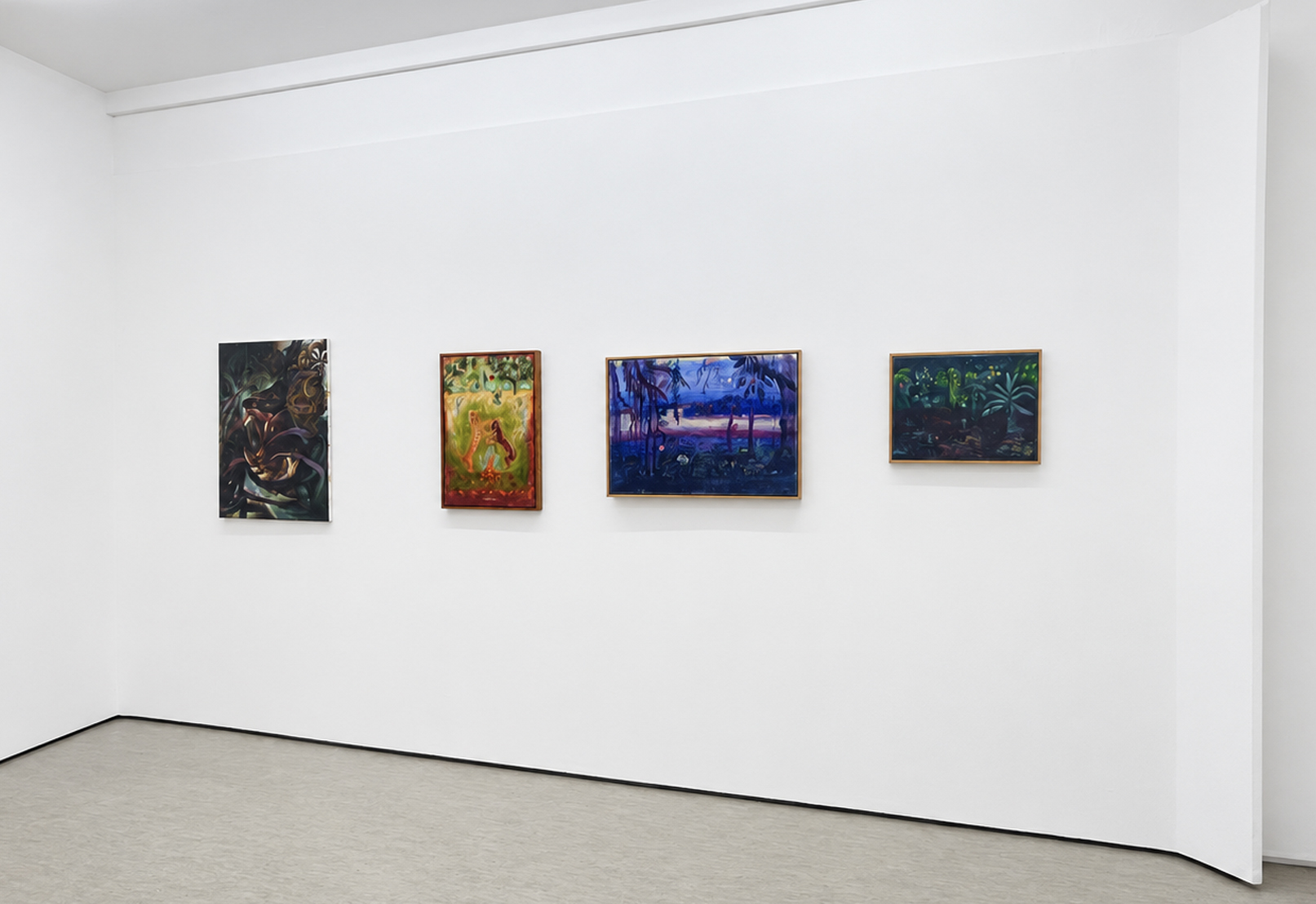
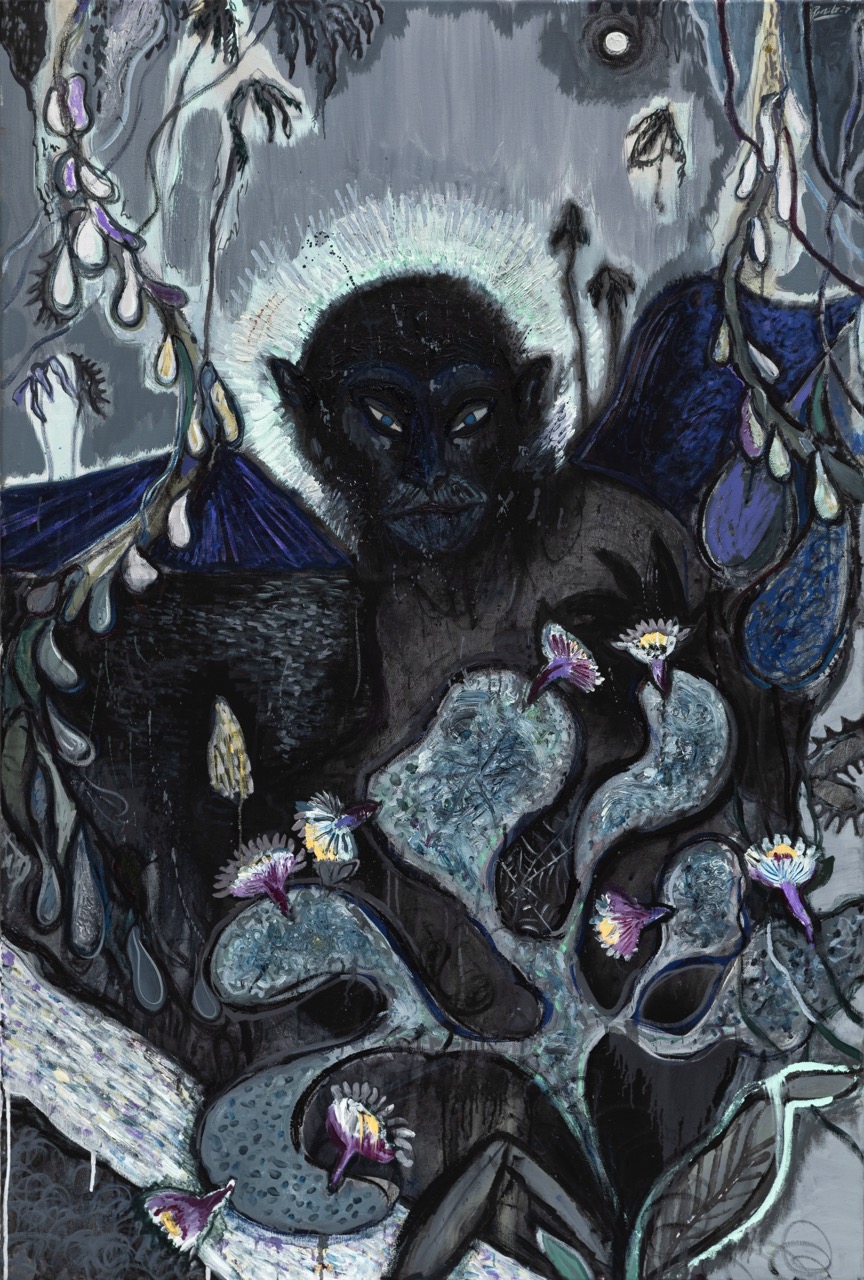
Lunar Nocturne , 2021
50 x 70 cm
Gouache on paper
The Sweet Glow of Hallucinations
Karla Marchesi & Lucas Pertile
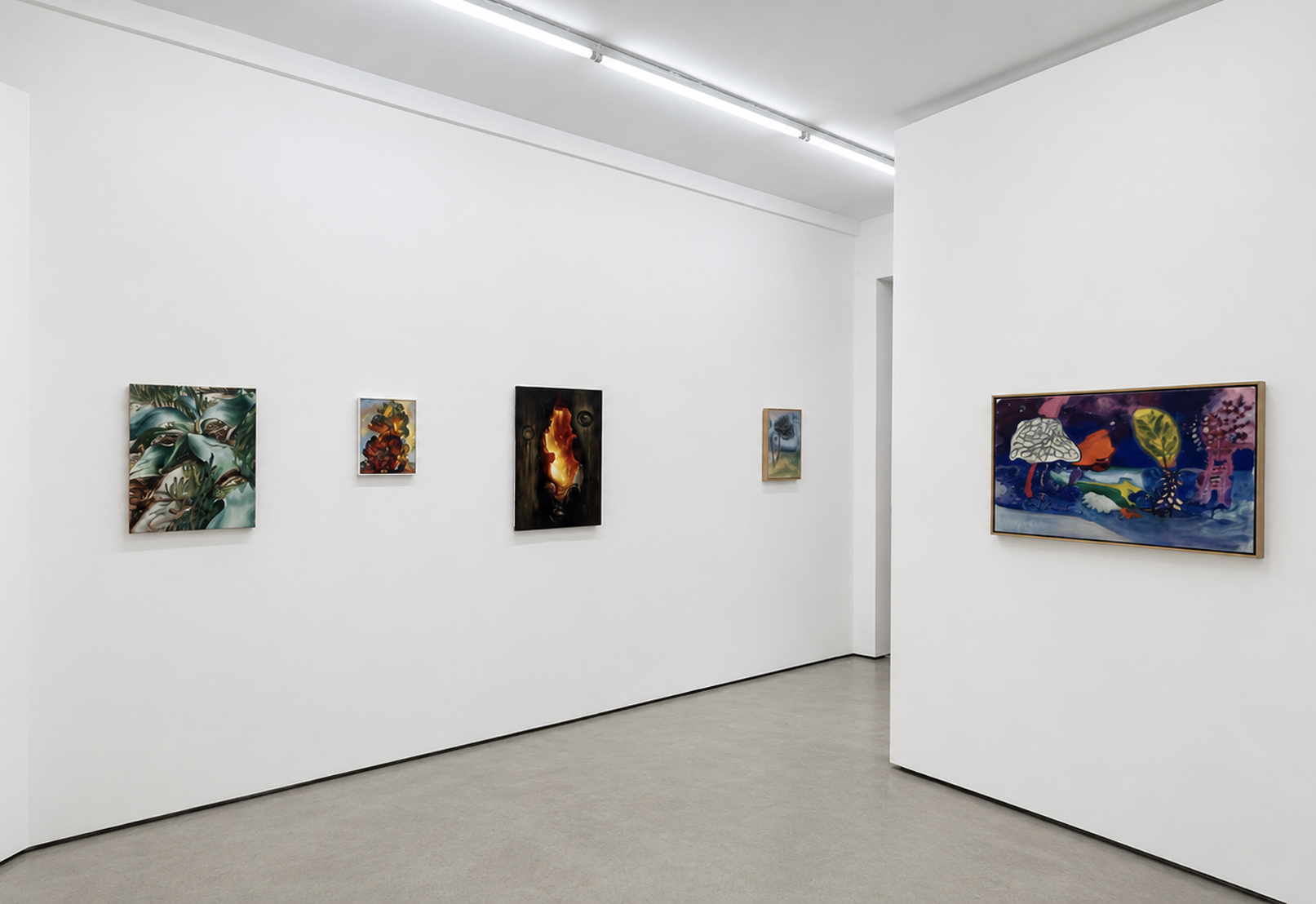
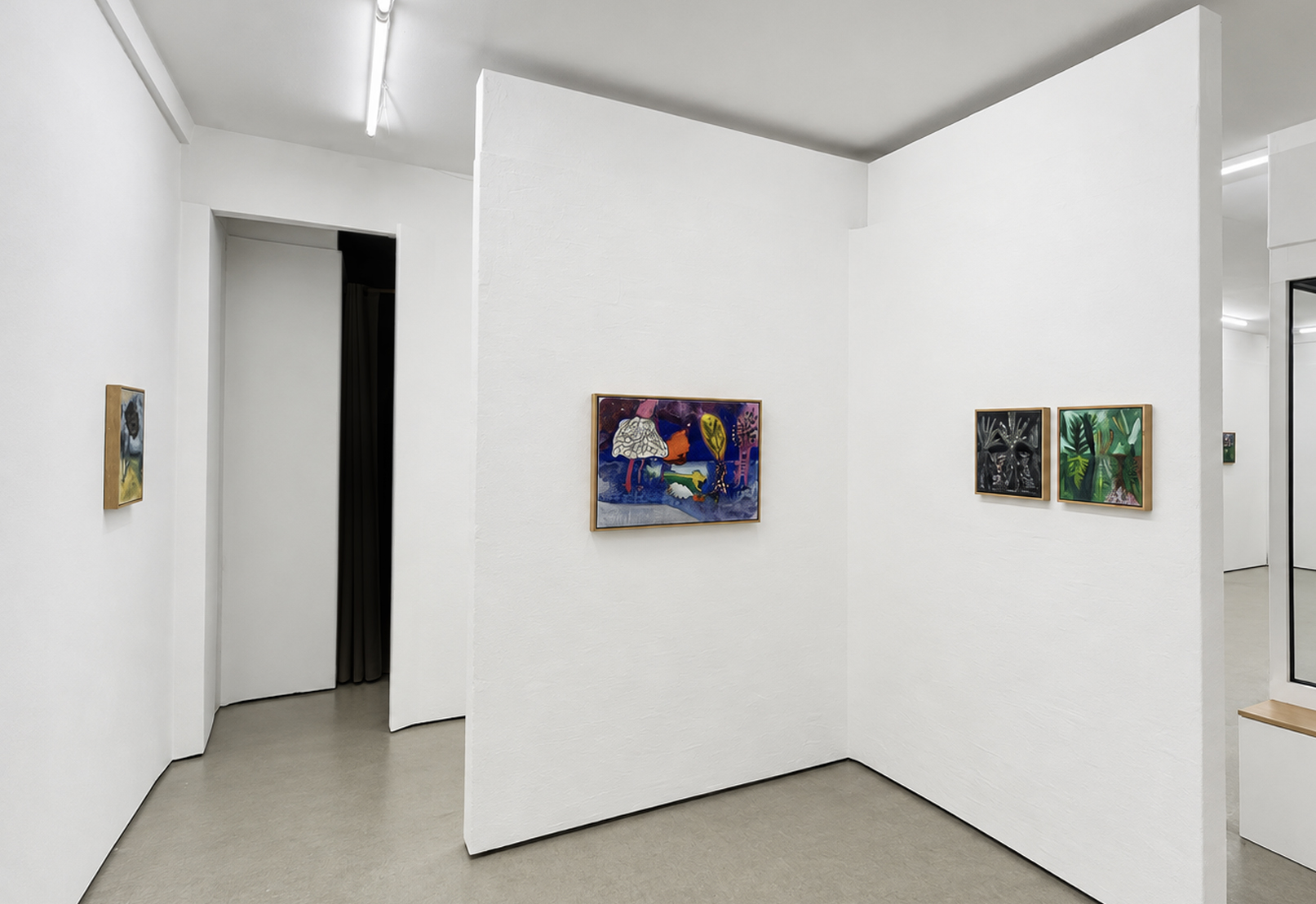
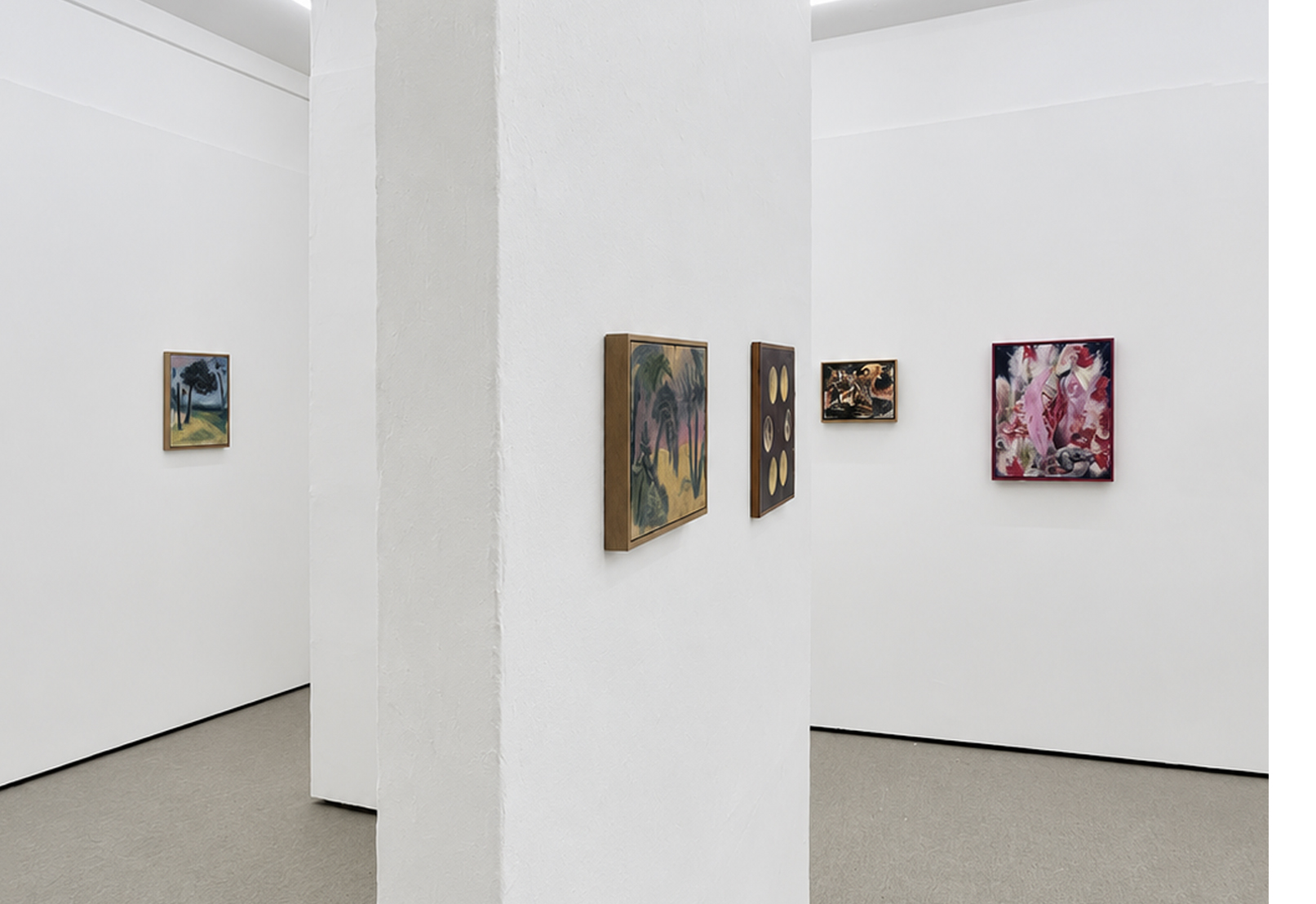
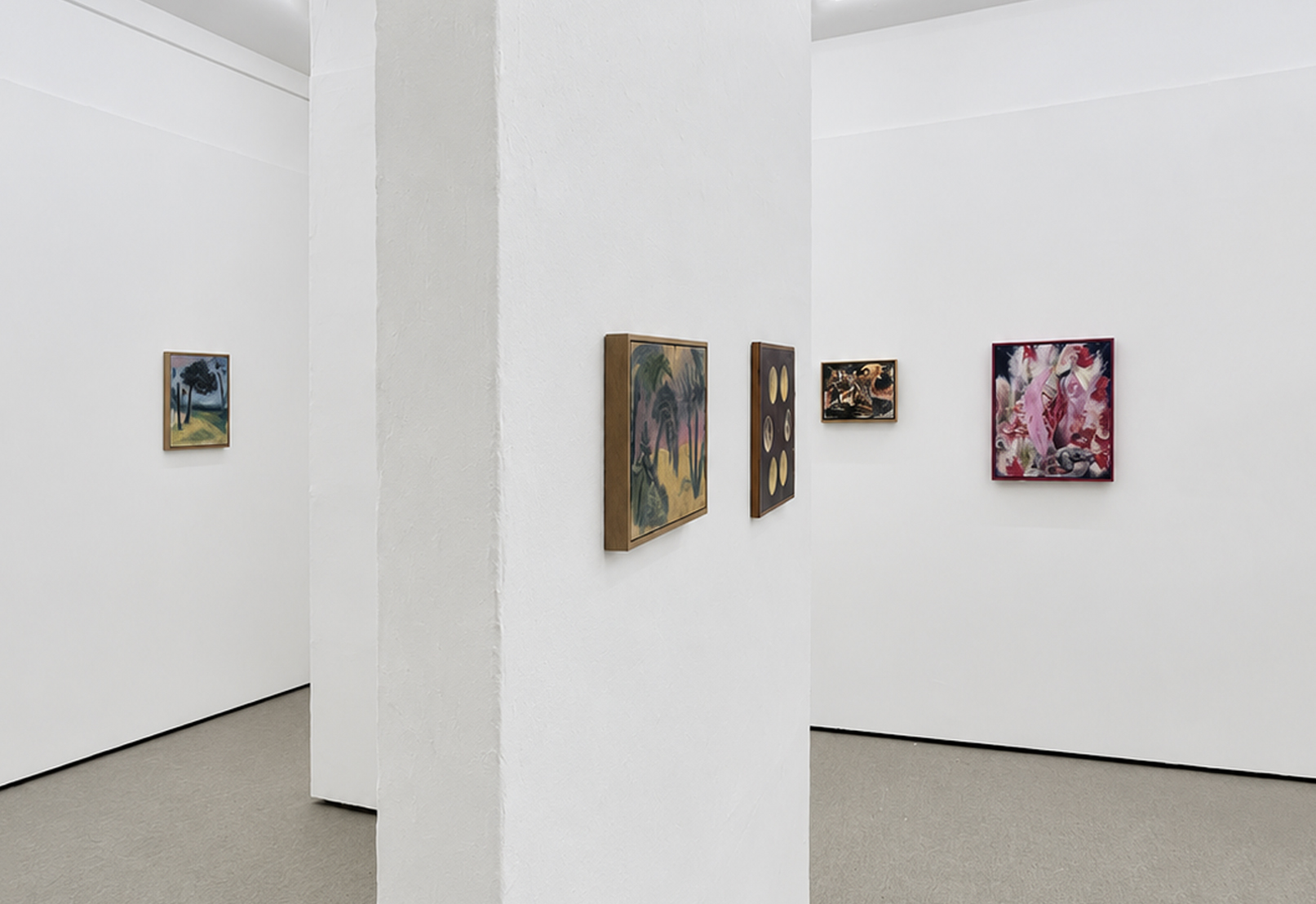
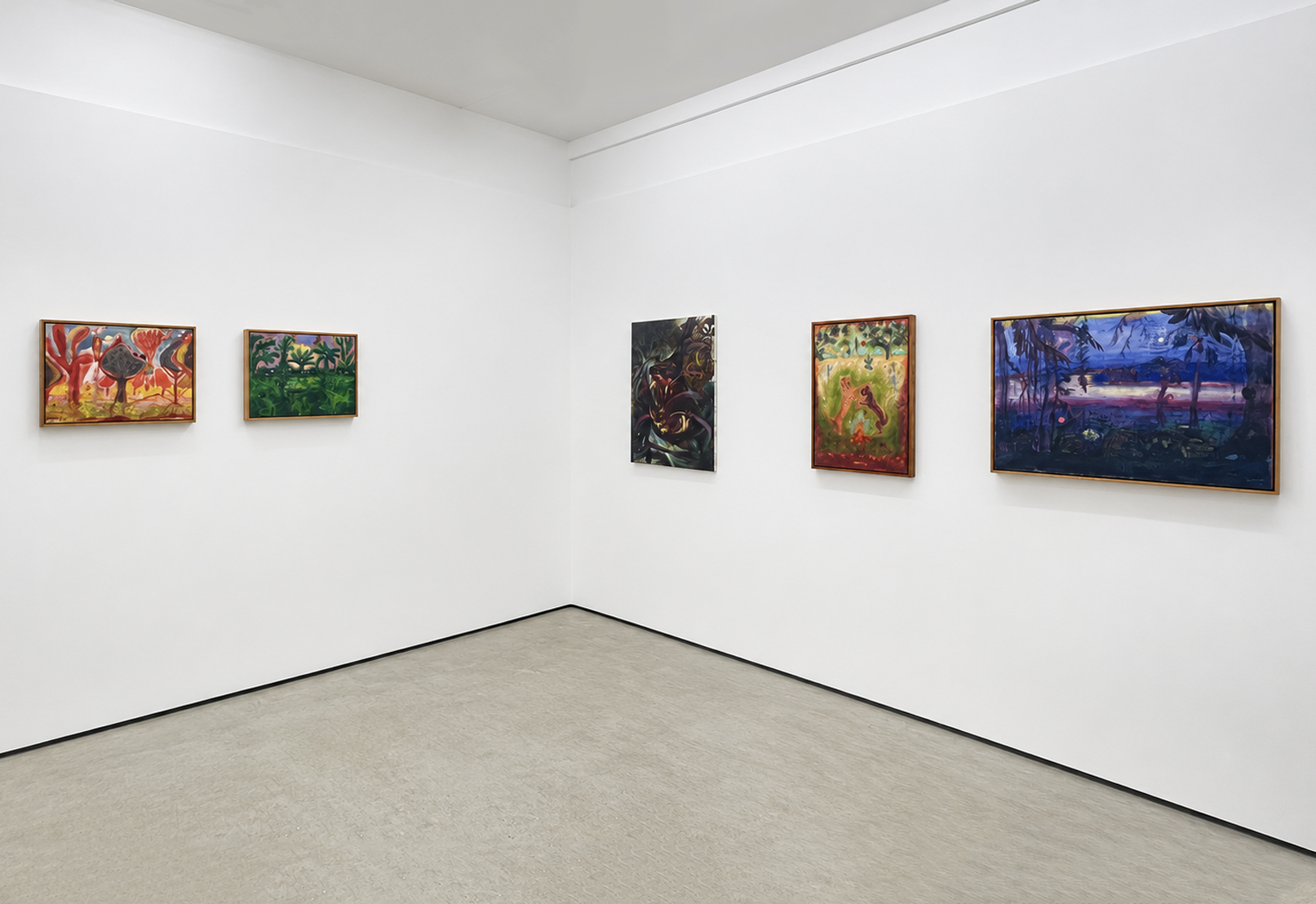
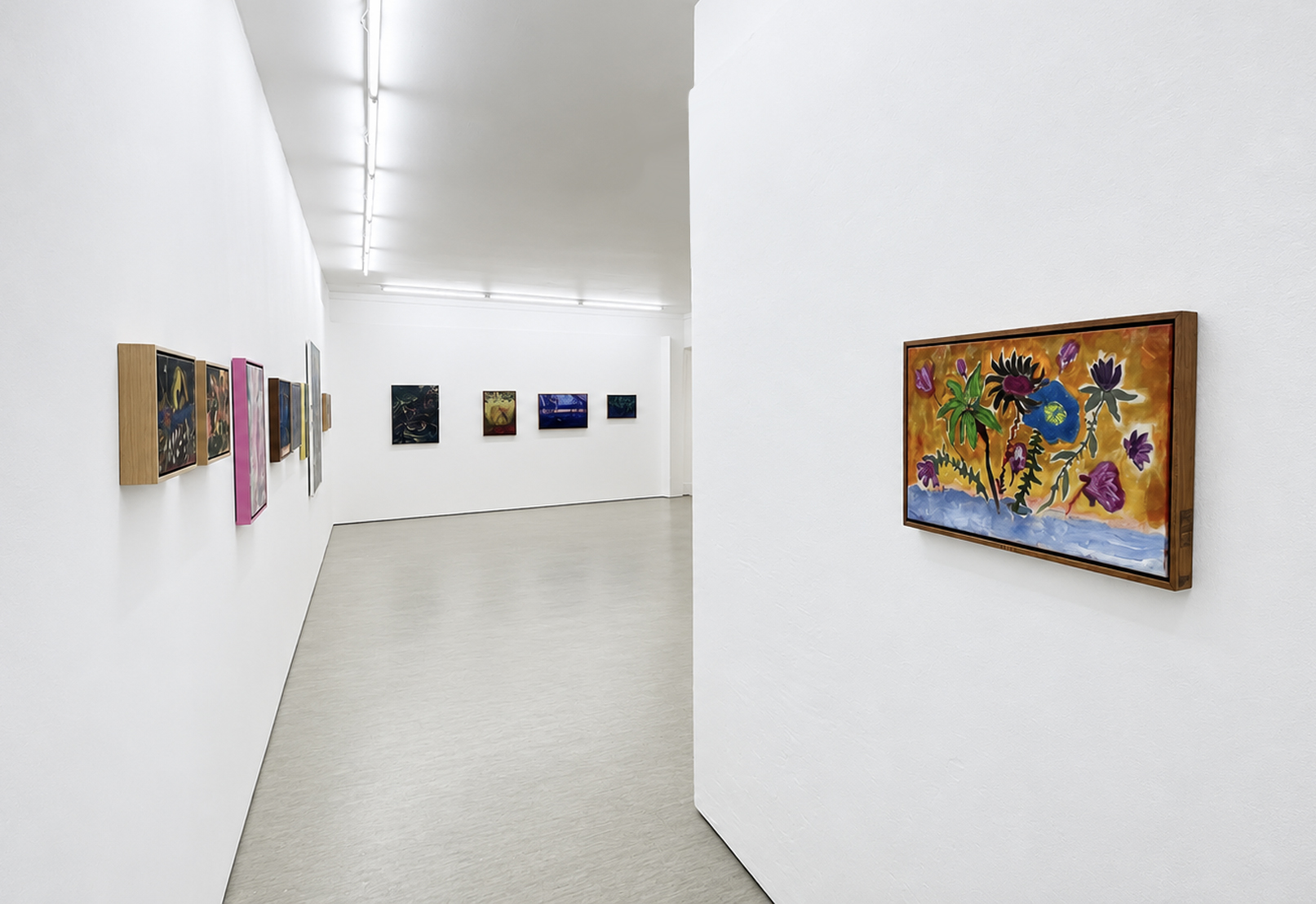
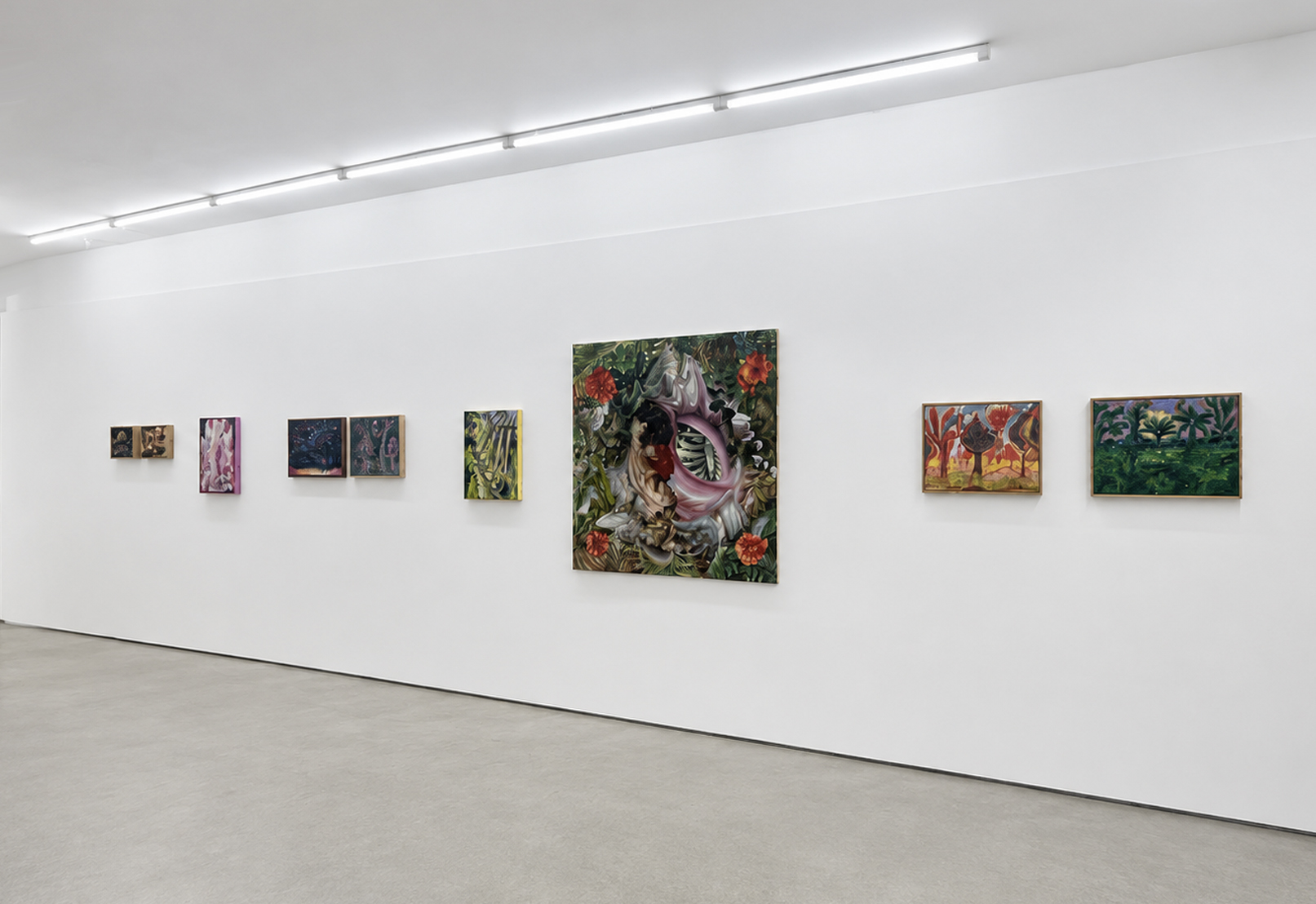
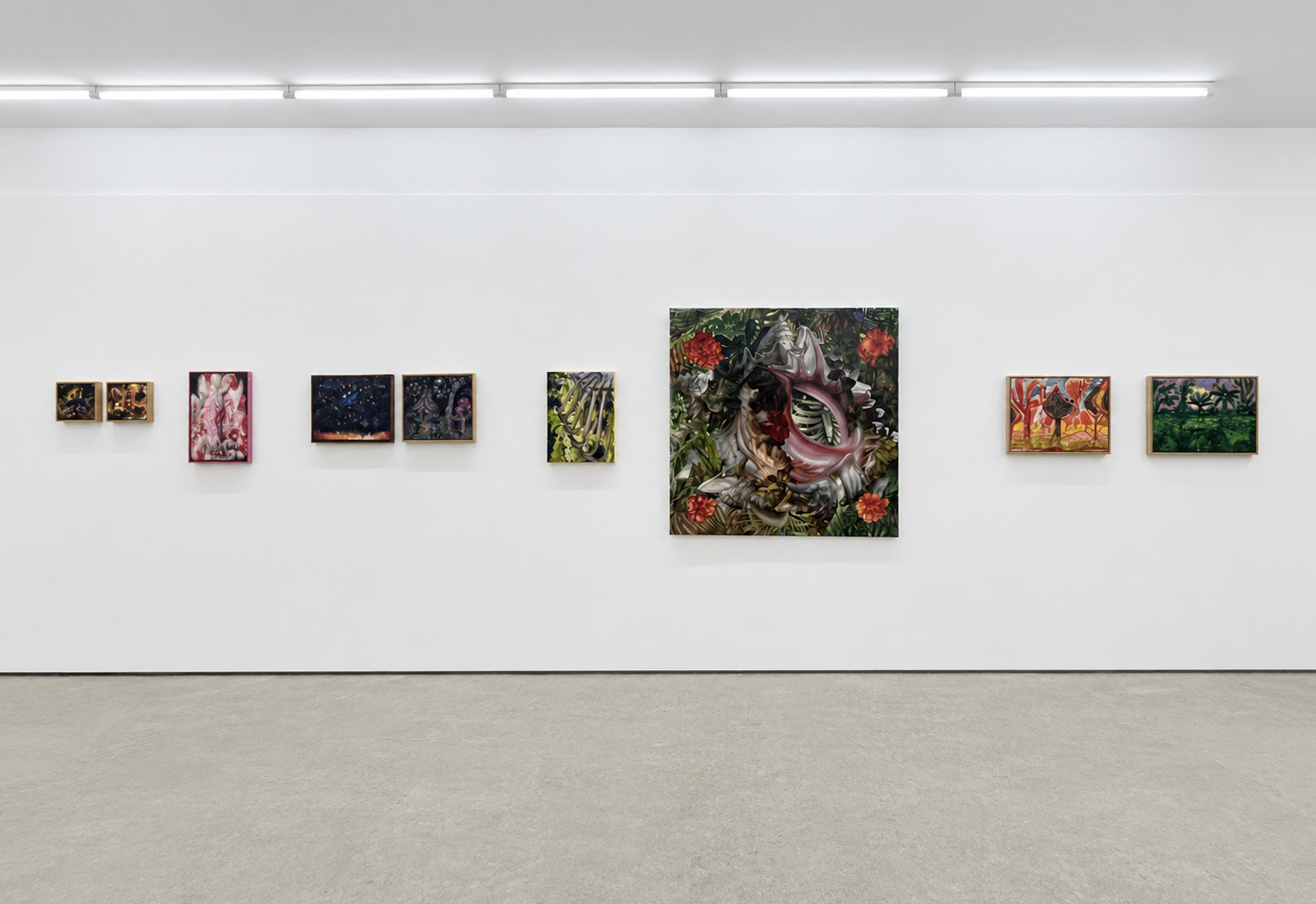
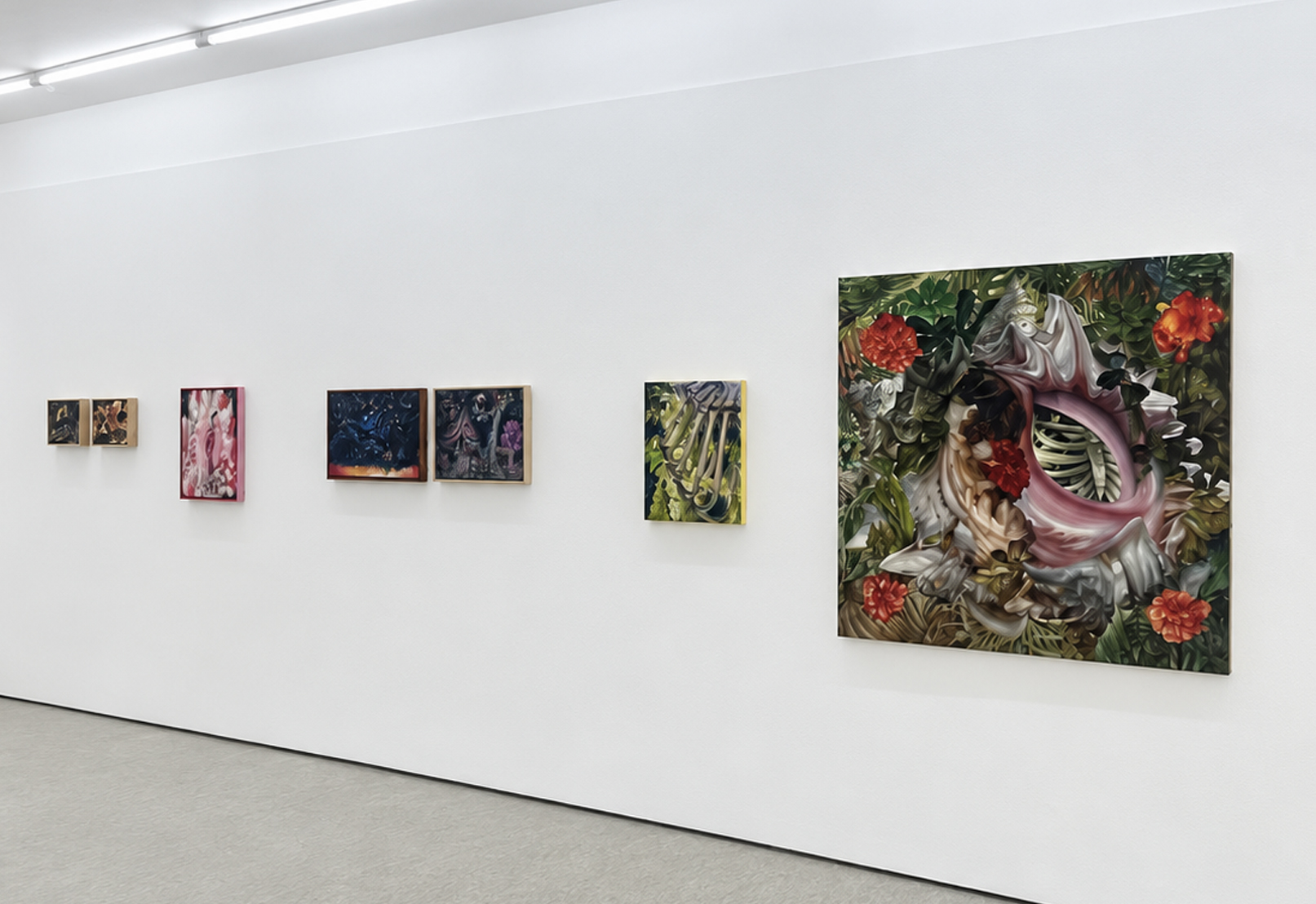
In The Sweet Glow of Hallucinations, Karla Marchesi and Lucas Pertile explore nature as a realm of transformation, seduction and unease. Flowers become bodies, eyes emerge between leaves, and bones, animals and moons inhabit landscapes suspended between observation and imagination. Beneath the apparent beauty of these worlds lies a persistent sense of instability.
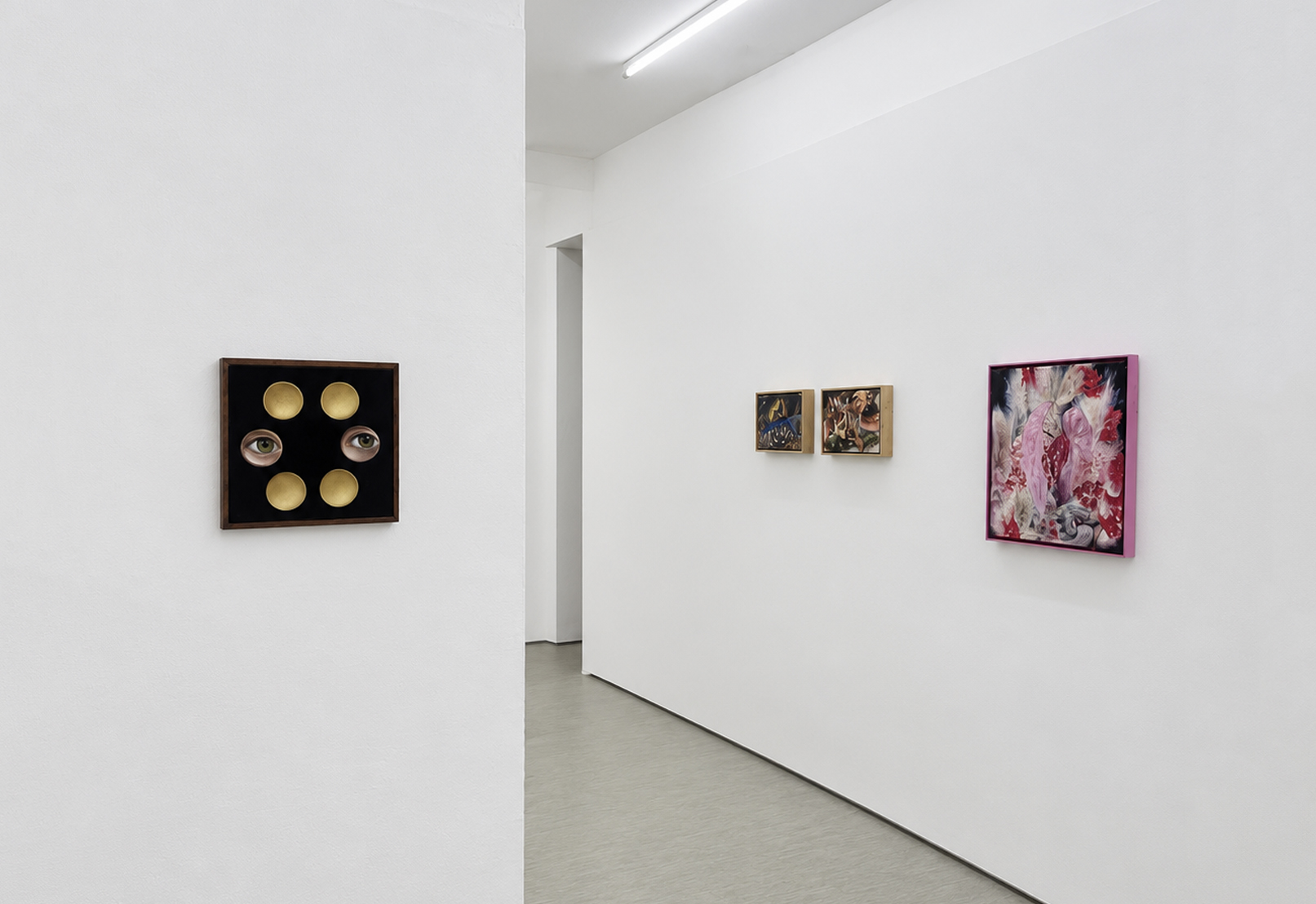
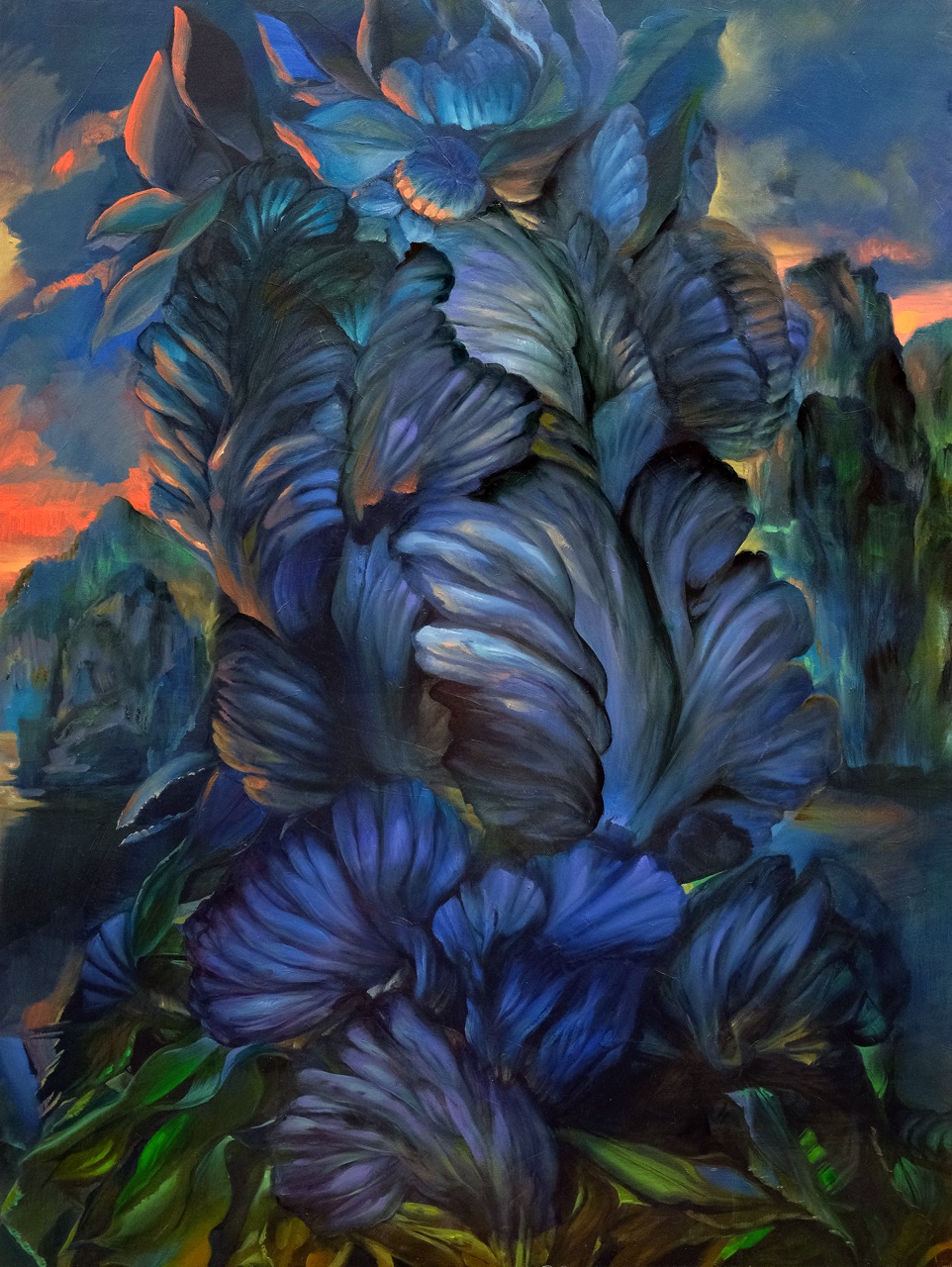
Karla Marchesi reinterprets the tradition of seventeenth-century Dutch flower painting, particularly the Impossible Bouquet, in which flowers from different seasons coexist in artificially constructed arrangements. Her meticulously rendered botanical compositions overturn the traditional order of the still life. Plants intertwine with anatomical fragments, eyes and bones, blurring distinctions between growth and decay, ornament and mortality. Works such as Cages, Surveillance and Dig transform nature into an unsettling presence that seems to observe the viewer in return.
Lucas Pertile, born in Resistencia, Argentina, draws upon childhood memories of the rivers, forests and dense vegetation of the Chaco region. Describing himself as a “son of the monte,” he transforms familiar landscapes through memory, dreams and the unconscious. His paintings accumulate plants, animals and luminous colours in compositions where spatial relationships become unstable. In works such as Hot Season, A Night in the Monte and Lunar Nocturne, nature emerges as an intensely personal, almost hallucinatory experience. Life and death coexist: bones and animal remains become inseparable from flourishing vegetation.
Marchesi and Pertile approach nature from opposite directions. Marchesi begins with a European tradition of collecting, classifying and controlling the natural world; Pertile with a landscape experienced physically and reconstructed through memory. Yet both dissolve the boundaries between reality and imagination, beauty and unease, the human body and the natural world.
The hallucination invoked by the exhibition title is not an escape from reality, but a transformation of perception. Colour, abundance and painterly richness draw the viewer in, while concealed beneath their seductive surfaces are mortality, uncertainty and the unsettling vitality of nature. Beauty becomes the means through which the familiar turns strange.